Why Wholesale Children’s Clothing Is a Growing Business Opportunity in 2026?
The children’s fashion market is no longer a small niche category. In 2026, it has become one of the most stable and profitable segments in the global apparel industry. Parents are spending more attention on children’s appearance, comfort, safety, and individuality than ever before. They are not simply buying clothes; they are investing in quality, lifestyle, and products that represent their expectations for their children.
For retailers, online sellers, importers, and new children’s brands, this creates a powerful business opportunity. The demand for children’s apparel continues to rise because children grow quickly, seasonal changes constantly create new purchasing cycles, and parents are willing to pay for better designs and safer materials.
Professional Wholesale Childrens Wear suppliers have become a critical part of the global supply chain, offering retailers access to diverse products, competitive pricing, flexible production, and customized solutions. Companies that understand market trends and build strong supplier partnerships will have a clear advantage in the increasingly competitive children’s fashion industry.
1. Diverse Product Range Creates Strong Market Potential
One of the biggest advantages of children’s clothing wholesale is the wide product range that covers different age groups, lifestyles, and customer demands. Unlike adult fashion, children’s apparel requires continuous replacement because children grow rapidly. This creates a natural cycle of repeat purchases and long-term business potential.
The baby clothing segment remains one of the most attractive categories. Products such as Baby Bodysuits, Baby Rompers, Baby Sleepwear, Baby Sets, and Baby Blankets are constantly needed by families around the world. Retailers who offer comfortable and safe baby products can build strong customer loyalty from the earliest stage of a child’s life.
Among these categories, Wholesale Kids Rompers have become especially popular because they combine convenience, comfort, and practical design. Parents prefer rompers because they are easy to wear, suitable for daily activities, and available in various styles for different seasons.
For boys’ clothing, wholesale suppliers provide a complete selection including Boys T-Shirts, Boys Shirts, Boys Jackets, Boys Jeans, and Boys Sportswear. Modern parents are looking for clothing that combines durability with fashionable design. Basic products are no longer enough. Retailers need collections that reflect current trends and offer better value.
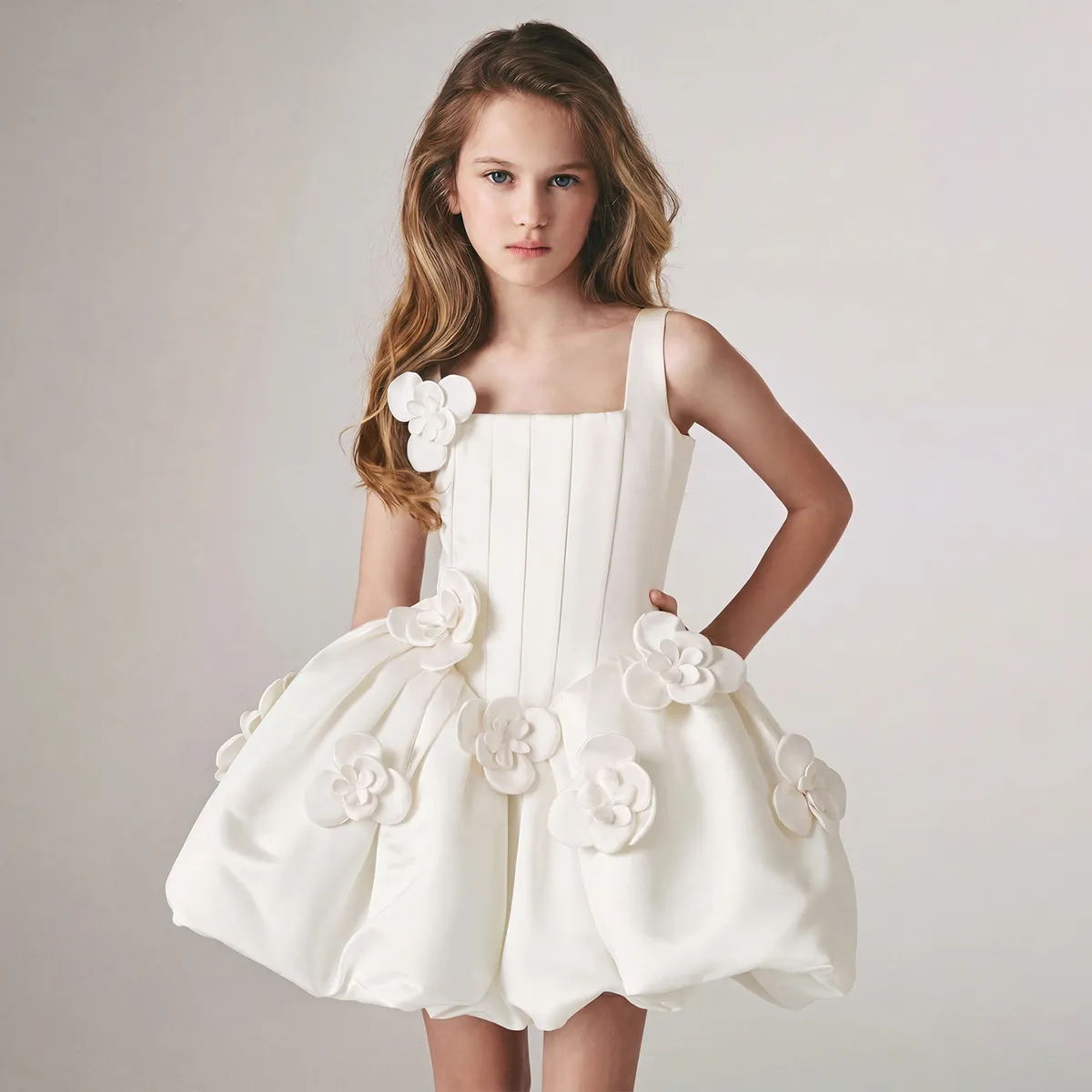
Girls’ clothing continues to represent a high-demand category. Dresses, skirts, tops, leggings, and fashion sets remain essential products for children’s boutiques and online stores. Bulk Girls Dresses are especially attractive for retailers because dresses often have strong visual appeal and perform well in online sales channels.
Seasonal products also create significant sales opportunities. Winter coats, rain jackets, summer wear, and holiday outfits allow retailers to refresh inventory throughout the year. Businesses that plan seasonal purchasing strategies can maximize revenue and reduce inventory risks.
Another important trend is the growth of complete outfit solutions. Customers increasingly prefer coordinated looks rather than individual pieces. Therefore, Bulk Kids Outfit Sets provide retailers with an effective way to increase order value while giving parents convenient styling options.
A successful children’s clothing business requires more than simply purchasing products. It requires understanding customer expectations, predicting fashion trends, and building a product portfolio that attracts different buyer groups, from local children’s stores to international e-commerce platforms.
2. Comfort, Safety, and Fashion Trends Drive Purchasing Decisions
The modern children’s clothing market has changed dramatically. Price alone is no longer the deciding factor. Parents are becoming more knowledgeable and selective, demanding products that provide safety, comfort, and long-lasting quality.
Fabric selection has become a major competitive factor. Popular materials include Organic Cotton, Cotton, Bamboo Fiber, and Soft Jersey fabrics. These materials are valued because they are gentle on children’s sensitive skin, breathable, lightweight, and suitable for everyday wear.
Professional suppliers must focus on strict quality standards, including safe production processes, environmental requirements, and product testing. Any company that ignores safety expectations will quickly lose customer trust in today’s market.
Comfort is equally important. Children need clothing that allows free movement during playing, learning, and outdoor activities. Successful children’s fashion products usually include features such as soft textures, flexible designs, easy washing, and strong durability.
At the same time, children’s fashion is becoming more creative and trend-driven. Parents want their children to wear unique and stylish outfits. Popular trends in 2026 include Mini Me family matching outfits, Cartoon Style designs, Kids Streetwear, Minimalist Kids Fashion, Vintage-inspired collections, and Sustainable Kids Wear.
Wholesale suppliers that continuously develop new designs will outperform traditional suppliers that only provide basic products. The market rewards innovation, speed, and the ability to respond quickly to changing consumer preferences.
Children’s accessories also represent a valuable opportunity. Products such as kids’ hats, sun hats, winter hats, hair accessories, socks, and backpacks can significantly improve product variety.
For example, Wholesale Kids Decor products can add additional value to children’s lifestyle collections by creating attractive room and daily-use items that match children’s themes and interests. Businesses that expand beyond clothing can create stronger customer connections and increase purchasing opportunities.
3. OEM and ODM Services Help Build Competitive Children’s Brands
The future of children’s fashion is not only about selling products. It is about creating recognizable brands. More entrepreneurs, online sellers, and boutique owners are entering the children’s market, and they need reliable manufacturing partners that can provide customized solutions.
OEM and ODM services allow businesses to develop unique products instead of competing only through low prices. Professional suppliers can support clients with logo customization, label design, packaging development, style creation, fabric selection, and product improvement.
This service model is especially valuable for new children’s brands, Amazon sellers, Shopify businesses, and specialty retailers. Instead of purchasing identical products available everywhere, businesses can create collections that represent their own brand identity.
Small-batch customization has also reduced the barriers for new entrepreneurs. In the past, large production quantities created significant financial pressure. Today, suppliers offering Low MOQ, sample development, and flexible production allow smaller companies to test products before making large investments.
This approach helps businesses reduce inventory pressure, evaluate market reactions, and quickly adjust their product strategies.
Personalized design is another powerful advantage of OEM/ODM manufacturing. Suppliers can create unique products through different techniques, including Cartoon Prints, Animal Designs, Educational Patterns, Embroidery, Printing, Applique Patch, and Embossing.
Customization allows brands to stand out in a crowded marketplace. A unique design can transform an ordinary children’s product into a recognizable brand item with higher profit potential.
A professional supplier should also provide a complete supply chain solution, including design development, material sourcing, manufacturing, quality inspection, packaging, and international shipping.
Companies looking for growth should not view suppliers as simple product providers. The right manufacturing partner becomes a strategic business advantage that helps brands move faster, reduce costs, and compete globally.
4. Smart Product Strategies Increase Profitability and Long-Term Growth
Success in the children’s clothing industry depends on strategic product planning. Businesses that only sell basic low-cost items often face intense price competition and limited profit margins. The smarter approach is to develop products with stronger value and better customer appeal.
High-profit categories often include designer children’s clothing, matching family outfits, holiday collections, functional outerwear, premium baby products, and customized brand collections.
Expanding product categories is another effective strategy. Retailers should not limit themselves to clothing alone. A complete children’s product ecosystem can include apparel, shoes, hats, bags, accessories, toys, and lifestyle products.
Children’s shoes are an important addition to wholesale collections. Popular categories include Sneakers, Sandals, Boots, School Shoes, and Casual Shoes. Buyers focus on comfort, anti-slip performance, lightweight construction, and foot protection.
Accessories can also increase average order value. Products such as Bulk Kids Bags provide retailers with additional sales opportunities because children need backpacks and bags for school, travel, and daily activities.
Among these products, Wholesale Bookbags are especially attractive for back-to-school seasons and online retail campaigns. They are practical, highly marketable, and suitable for different age groups.
Adding complementary products can further strengthen a children’s brand strategy. For example, Wholesale Toys for Kids can help retailers create broader children’s lifestyle collections and increase customer engagement.
A strong wholesale supplier should provide more than products. The best suppliers offer trend research, product development support, quality control, packaging solutions, and global shipping services. These capabilities help businesses build reliable operations and maintain long-term competitiveness.
The children’s fashion industry in 2026 offers enormous opportunities, but success belongs to companies that act quickly and strategically. Retailers and brands must focus on quality, innovation, customization, and complete product solutions.
Children’s clothing is not a temporary trend. It is a growing global market driven by continuous demand, strong customer loyalty, and increasing expectations for better products. Businesses that choose the right wholesale partners and develop differentiated collections will be positioned to capture long-term growth in the children’s fashion economy.


Comments
Post a Comment