How Do You Choose The Right Fabric And Materials For Your Custom Jeans?
Selecting the right fabric and materials for your Custom Jeans is far more than a matter of aesthetics. It is the foundation of your brand identity, the core of your product quality, and ultimately the element that decides whether your brand will thrive or vanish in a highly competitive denim market. Every decision you make—whether it’s fabric choice, weight, wash, embellishment, or supplier—affects the story your product tells. Customers today demand individuality, authenticity, and style, and your Custom Denim Jeans, Custom Denim Jackets, or even seasonal Custom Denim Shorts must answer that demand with precision.
The challenge is that the denim market is unforgiving. A single misstep in fabric selection or material quality can undermine months of branding and marketing efforts. To create a successful line of Custom Men Denim or Custom Kids Denim, you need to treat your fabric and material choices as strategic, not incidental. The right material, processed properly, differentiates your brand; the wrong one renders it forgettable.
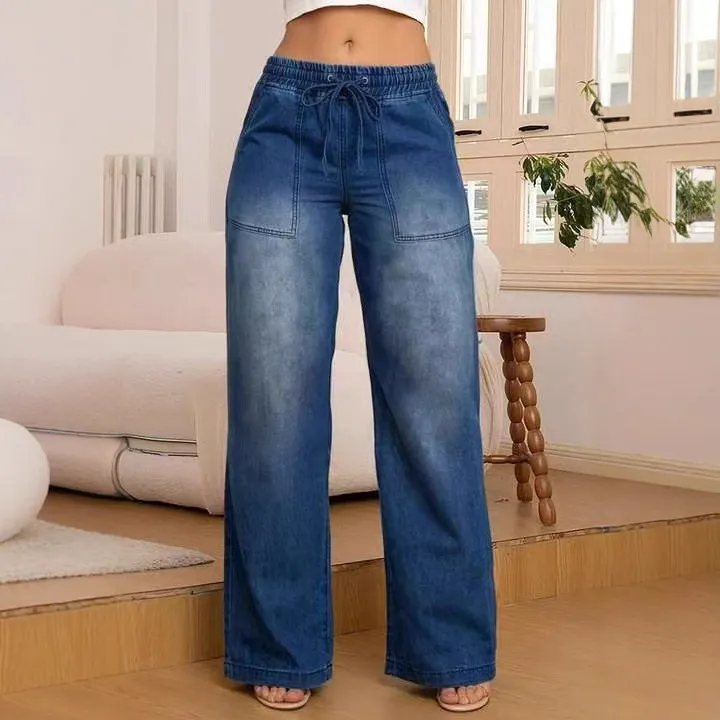
This guide offers a detailed, professional, and no-nonsense framework to help you choose the perfect fabric and materials for your denim line. From understanding fiber composition to evaluating washes, trims, and supplier capabilities, you will see exactly how to ensure your Custom Jeans reach their full potential in the market.
1. Fabric Selection: The Backbone of Your Custom Jeans
Fabric defines the look, feel, and durability of your Custom Denim Jeans. It is the foundation upon which all styling, washes, and finishes are built. Choosing the right denim is not about picking a color you like or a weight you think “feels good”—it’s about aligning your fabric choice with brand positioning, target audience, and product functionality.
A professional denim factory capable of producing Custom Jeans, Custom Denim Jackets, Custom Denim Shorts, or other lines should offer full OEM/ODM services. This means they not only produce according to your designs but can also advise on fabric choice, weave type, weight, stretch level, wash treatment, hardware, and custom labels. The difference between a factory that merely sews denim and one that builds your brand is profound.
Cotton vs Stretch Denim: Defining Your Brand’s Character
The type of cotton or denim weave you choose immediately defines your brand identity:
-
High-weight cotton (13–16 oz): Ideal for vintage-inspired, raw denim, or workwear styles. It provides durability, structure, and a canvas for detailed wash effects. Custom Denim Jackets often use this type for their robust appearance and longevity.
-
Medium-weight cotton (11–13 oz): The sweet spot for most casual jeans, balancing comfort, durability, and versatility. Perfect for Custom Men Denim and most Custom Kids Denim products.
-
Stretch denim (10–12 oz): Offers mobility and comfort, catering to contemporary, streetwear, or slim-fit trends. Ideal for Custom Denim Shorts or trendy slim Custom Denim Jeans.
Premium factories can recommend fabric combinations that match the intended wash and wear profile, ensuring your Custom Denim Jackets feel as good as they look.
Specialty Fabrics for Differentiation
Brands that want to stand out rarely stick to standard denim. Consider:
-
Recycled cotton denim: Eco-friendly brands can highlight sustainability in Custom Kids Denim or Custom Men Denim lines.
-
Slub cotton: Offers irregular texture and depth, perfect for rustic or artisanal collections.
-
Right-hand or left-hand twill: Creates subtle diagonal textures that enhance the visual appeal of Custom Denim Jeans.
Choosing these specialty fabrics allows your products to communicate brand identity from the moment a customer touches them.
Weight Matters More Than You Think
Denim weight isn’t just a technical specification—it directly affects style and customer perception.
-
9–11 oz: Lightweight, ideal for summer Custom Denim Shorts or casual Custom Kids Denim.
-
11–13 oz: Versatile, suitable for classic Custom Denim Jeans.
-
13–16 oz: Premium feel for vintage or raw denim lines.
-
16+ oz: Hardcore, structured denim for statement Custom Denim Jackets.
Your factory must not only supply these weights but guide you on how weight interacts with wash, stretch, and garment design.
2. Wash Techniques and Surface Treatments Shape Final Appeal
Fabric alone does not define a product; finishing transforms denim into a statement. Washing, distressing, and finishing processes are what turn raw Custom Denim Jeans into wearable art.
A capable factory will provide:
-
Enzyme washes
-
Stone washes
-
Acid washes
-
Whiskers (fading lines)
-
Hand sanding
-
Sandblasting
-
Vintage tone blending
-
Laser engraving
-
Embroidery and patching
These processes are not merely decorative—they are strategic brand tools. Each effect conveys a mood and appeals to specific demographics.
Wash Choices Define Brand Mood
-
Enzyme wash: Clean, modern, ideal for everyday Custom Jeans or casual Custom Denim Jackets.
-
Stone wash: Rugged, vintage feel, suitable for oversized jackets or carpenter-style jeans.
-
Hand sanding & whiskers: Streetwear and fashion-forward lines.
-
Tone blending: High-end niche products, especially Custom Denim Shorts or retro-inspired Custom Men Denim.
Your brand story depends on these washes. A poor choice will confuse your target customer and undermine the perceived value.
Distressing, Patches, and Branding Details
Distressing is a visual language, not a random tear. For instance:
-
Custom Men Denim: strategically placed abrasions and whiskers maintain masculinity and street credibility.
-
Custom Kids Denim: soft patches, subtle abrasions, and color contrasts maintain durability while adding playful charm.
-
Custom Denim Shorts: raw edges and hand-sanded areas enhance casual appeal.
Embellishments such as embroidery, leather patches, or metal studs communicate brand identity instantly. Every detail—from buttons to rivets—reinforces authenticity.
3. Supplier Capability Determines Brand Success
Even with perfect fabric and washes, your brand can fail without the right manufacturing partner. The factory behind your Custom Denim Jackets, Custom Denim Jeans, or Custom Denim Shorts must be more than a production house—it must be a co-creator.
OEM/ODM Services Accelerate Brand Growth
High-end suppliers offer:
-
OEM: Produce exactly to your design specifications.
-
ODM: Provide ready-to-wear designs for quick brand launch.
-
Complete sample libraries and trend references.
-
Advice on fabric selection and wash effects.
-
Full accessory customization: buttons, zippers, rivets, and logo patches.
-
Branded packaging and hangtags.
For new brands, this reduces risk and accelerates market entry, especially for Custom Men Denim and Custom Kids Denim.
Scalable Production Matters
Your factory should handle:
-
Small-batch orders (30–100 pcs) to test markets
-
Rapid sample production (5–10 days)
-
Large-scale production (5000+ pcs)
-
Multiple washing lines for consistency
-
Trackable production progress via photos and videos
Brands that grow from startup to multi-thousand-unit lines rely on a supplier with scale and transparency.
Quality Control Separates Winners from Losers
Robust QC ensures:
-
Consistent stitch density
-
Accurate sizing
-
Wash color stability
-
Hardware durability
-
Shrinkage control
Even a small lapse can damage brand reputation. Only factories with professional QC can reliably produce Custom Denim Jackets or Custom Jeans that meet repeatable standards.
4. Align Materials With Your Brand Vision
A denim brand’s identity is inseparable from the materials it uses. Whether creating Custom Kids Denim or Custom Men Denim, fabric, wash, embellishment, and supplier must align with brand vision.
Expert Suppliers Add Value Beyond Production
Top suppliers assist with:
-
Trend forecasting
-
Fabric and wash recommendations
-
Packaging and hangtag design
-
Costing and price strategy
-
Style consistency and sample evaluation
These services are not optional—they are the backbone of brand success.
Flexibility Enables Growth
Suppliers that support:
-
Mixed-batch orders
-
Small initial runs
-
Gradual order expansion
-
Trendy design experimentation (oversized jackets, raw denim, vintage washes)
…allow brands to test markets, adapt quickly, and minimize risk.
Repeatability Ensures Long-Term Growth
Consistency is critical:
-
Fabric weight and color must match across batches
-
Wash effects must replicate accurately
-
Sizing standards must be maintained
-
Embellishments and details must remain consistent
This repeatability underpins customer trust, which drives loyalty and growth for Custom Denim Jeans, Custom Denim Jackets, and related product lines.
Material, Craft, and Supplier Are Your Brand’s Core
Every Custom Jeans, Custom Denim Jackets, or Custom Denim Shorts line starts with fabric, but ends with craft. The right material choice combined with professional washes, thoughtful details, and a capable, flexible supplier sets the foundation for a successful brand.
For Custom Men Denim or Custom Kids Denim, every element—weight, weave, stretch, wash, distressing, trim, and QC—must work in harmony. Failure in any one component diminishes brand impact.
In this market, where consumers have infinite choice, mediocrity is invisible. Only strategic material selection, meticulous production, and supplier alignment produce denim with real market authority.
Your Custom Jeans are not just clothing; they are the first impression of your brand. Make them strong, consistent, and unmistakable.


Comments
Post a Comment