Wholesale Beauty Products: A Complete Guide for Retailers
Build a Product Range That Actually Sells
Retailers who treat beauty products as a random collection of bottles, palettes, brushes, and accessories are already behind. The beauty market moves too quickly for a weak product strategy. Customers want variety, recognizable trends, attractive packaging, competitive prices, and products that fit their specific routines. That is why a well-organized Wholesale Beauty Products strategy starts with one simple principle: build a product range around real demand, not around whatever happens to be sitting in a supplier’s warehouse.
The biggest advantage of beauty wholesale is product diversity. A serious wholesale supplier can bring together makeup, skincare, fragrance, nail products, wigs, hair extensions, beauty tools, and personal care items. This creates a one-stop purchasing model for cosmetic retailers, salons, beauty stores, online sellers, and professional beauty businesses.
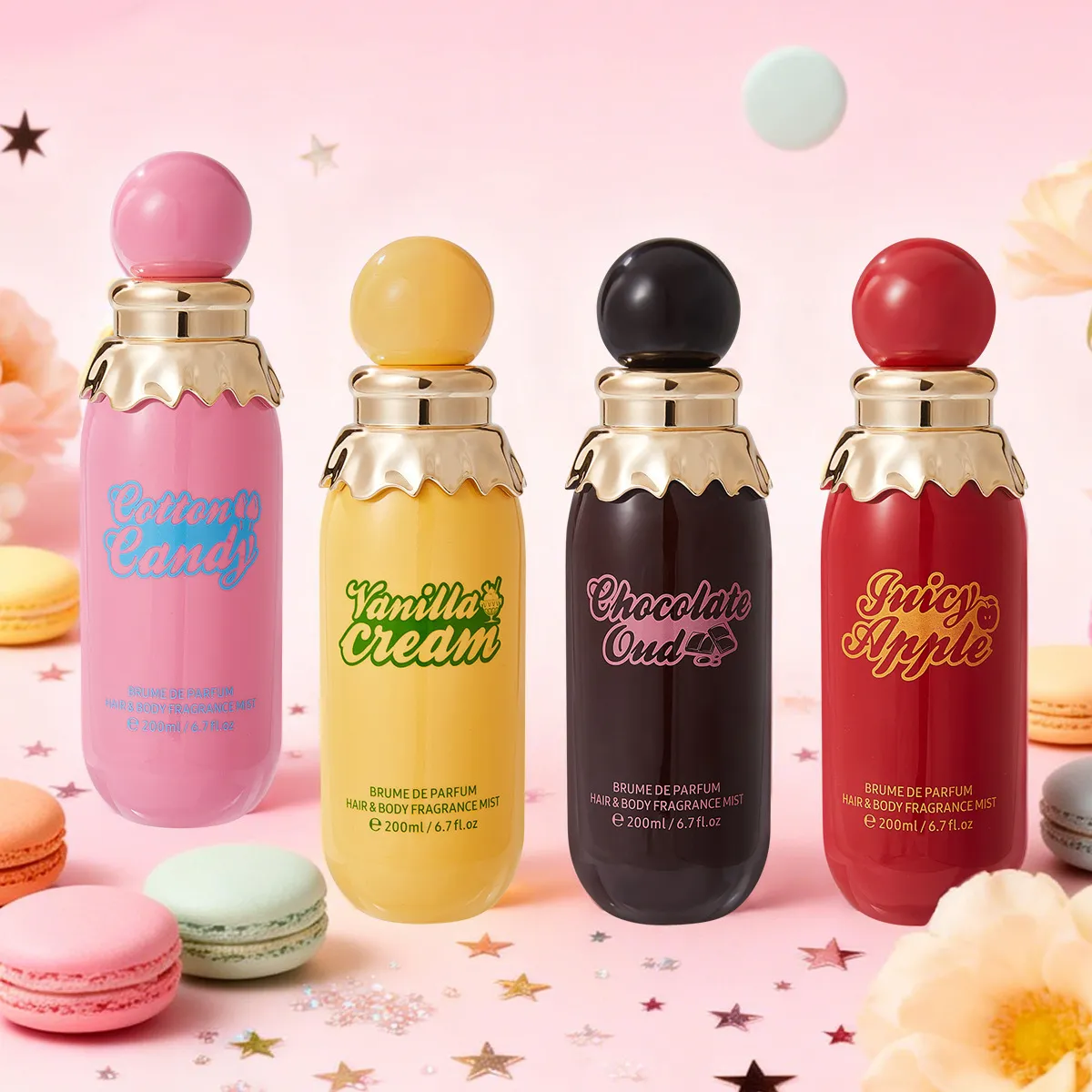
Fragrance is a particularly strong category because consumers buy for themselves and as gifts. Retailers can diversify their fragrance shelves with Mini Fragrances Wholesale, which are convenient, affordable, and easy to promote as travel-size products or impulse purchases. For men's grooming collections, Men's Cologne Wholesale gives retailers access to a dedicated category instead of forcing men's fragrance products into a generic beauty assortment.
Women's fragrance requires the same level of attention. Wholesale Womens Cologne can help retailers create collections around different customer preferences, from fresh everyday scents to sophisticated evening fragrances. Meanwhile, Wholesale Fragrance Oil offers another opportunity for businesses serving customers interested in fragrance oils, beauty formulations, or specialized scent products.
The same principle applies to hair products. Wigs and extensions are no longer niche accessories. They are major beauty products with strong demand across salons, online stores, specialty boutiques, and social commerce. Retailers can use Bulk Wigs to create a broader selection of lengths, textures, colors, and styles while maintaining more competitive purchasing costs.
For braiding businesses and professional stylists, Bulk Human Hair for Braiding can be especially valuable when consistent supply matters. Customers do not want a stylist to run out of popular materials halfway through a busy season. Reliable wholesale sourcing makes inventory planning easier and helps businesses respond to demand without constantly placing small, expensive orders.
Wholesale Pricing Is About More Than Cheap Products
The phrase “wholesale price” means very little if the products do not sell. A low unit price is useless when quality is poor, packaging looks cheap, shipping is unreliable, or customers return the product. Smart retailers look at total value rather than chasing the lowest number on a quotation sheet.
Bulk purchasing can reduce the average cost per unit because suppliers can consolidate manufacturing, packaging, warehousing, and logistics. Factory-direct sourcing and supply-chain integration can create additional advantages. But retailers should always compare quality, minimum order quantities, lead times, packaging requirements, and after-sales support alongside price.
Product selection also needs flexibility. A growing beauty business may not have the capital or storage capacity to purchase thousands of units of every item. Smaller wholesale quantities can allow a retailer to test new products before committing to large orders. Once a product proves itself, larger purchasing volumes can be introduced with greater confidence.
This is particularly important for trend-driven categories such as makeup. A retailer might test several shades of Wholesale Lip Gloss, identify the strongest sellers, and then increase purchasing around the winning colors and finishes. Glossy, hydrating, plumping, tinted, and high-shine products can all appeal to different customer groups. The goal is not to stock everything. The goal is to stock what customers are actually prepared to buy.
Beauty accessories deserve the same strategic treatment. Bulk Makeup Bags can complement cosmetics while increasing the average value of each order. They can be sold individually, bundled with makeup collections, or used in promotional campaigns. A retailer that thinks beyond individual products can create complete purchasing experiences instead of isolated SKUs.
The key lesson is brutally simple: cheap inventory is not the same as profitable inventory. Retailers need products with acceptable margins, reliable quality, attractive presentation, and enough demand to justify the shelf space.
Trends, Customization, and Quality Cannot Be Ignored
Beauty trends do not wait for slow retailers. Colors, packaging styles, nail designs, wig textures, fragrance preferences, and beauty tools can change rapidly because social media can turn an unknown product into a bestseller almost overnight.
Retailers therefore need suppliers capable of updating collections quickly. Trend responsiveness is particularly important in makeup, nails, hair, and fragrance. A supplier that takes months to introduce a popular category may already be irrelevant by the time the products arrive.
Hair businesses also need tools that match the products they sell. Extension Hair Wholesale can support retailers building collections for different extension methods, lengths, textures, and customer preferences. At the same time, Wholesale Haircare Tools can strengthen the professional side of the business by providing styling and maintenance accessories that salons and individual consumers need.
Customization is another major advantage of wholesale sourcing. Some suppliers offer private-label, OEM, and ODM services, allowing retailers to create branded products rather than competing exclusively with established names. Packaging, colors, specifications, labels, and product presentation can sometimes be customized according to business requirements.
However, customization should never become an excuse to ignore product safety. Beauty products come into direct contact with skin, hair, nails, or the body, so ingredient information, packaging standards, manufacturing quality, and quality-control procedures matter. Retailers should request appropriate product information and documentation from suppliers before committing to large orders.
This is especially important when working with Wholesale Cosmetic Jars Suppliers. Packaging is not merely decoration. Cosmetic jars must be appropriate for the product they contain, sufficiently durable for transportation and storage, and presented in a way that protects product quality while reinforcing brand credibility.
A retailer should therefore evaluate suppliers with a critical eye. Ask where products are manufactured, what quality controls are used, how products are packaged, what information is available, and how defects or damaged shipments are handled. If a supplier cannot answer basic questions clearly, that is not a minor inconvenience. It is a warning sign.
Build a Wholesale Beauty Supply Chain That Can Grow
The strongest wholesale strategy is not about finding one supplier and placing one large order. It is about building a supply chain that can support growth.
Different sales channels require different product mixes. Beauty salons may prioritize professional tools, hair products, and treatment-related items. Nail salons may focus on nail products and accessories. Cosmetic boutiques may emphasize makeup, skincare, and fragrance. Online stores may prioritize lightweight, visually appealing, trend-sensitive products. Social-commerce sellers may need products that photograph well and generate immediate customer interest.
A diversified wholesale catalog allows one retailer to serve several of these channels without completely rebuilding its supply chain. That flexibility is a major competitive advantage.
International sourcing adds another layer of opportunity. Global suppliers can support cross-border businesses with product procurement, packaging, shipping, and logistics services. For e-commerce sellers, this can make it easier to expand from one market into several regions. But international wholesale requires disciplined planning. Retailers must consider shipping costs, import requirements, product documentation, delivery times, packaging, and local customer expectations.
Inventory management matters just as much. Buying in bulk can improve margins, but overbuying creates dead stock. Retailers should monitor sales velocity, seasonal demand, customer feedback, and repeat-purchase rates before increasing order volumes. A product that looks attractive in a catalog may perform poorly in the real market.
The smartest retailers also create complementary product combinations. A wig customer may need styling tools. A makeup customer may need lip gloss and a makeup bag. A fragrance customer may be interested in mini sizes. A hair-extension buyer may need maintenance tools. These connections create opportunities for bundles, cross-selling, and repeat purchases.
Ultimately, wholesale beauty sourcing should be treated as a business system, not a shopping trip. The winners are retailers who combine broad product selection with competitive purchasing, rapid trend response, reliable quality control, flexible order quantities, and dependable logistics.
The beauty market is crowded, but that does not mean every retailer has to fight on price alone. A carefully selected wholesale range can create stronger margins, better customer experiences, and more opportunities to build a recognizable brand. Whether the business sells cosmetics, fragrance, wigs, extensions, nail products, or professional beauty tools, the objective remains the same: buy intelligently, test aggressively, scale what works, and eliminate what does not.
That is what turns wholesale beauty products from ordinary inventory into a serious retail advantage.


Comments
Post a Comment