How to Build Your Fashion Brand with Custom Clothing Private Label Services?
Let's cut to the chase: building a fashion brand that survives brutal competition requires more than pretty designs. You need a clear identity, a compelling story, and products that genuinely resonate with your target audience. If you're serious about creating a fashion brand that lasts, you need to understand how customization service and private label production can give you the competitive edge most beginners completely miss.
The fashion industry has changed. Private label isn't just for big retailers anymore. Thanks to modern supply chain management, even small boutique owners and independent entrepreneurs can access professional clothing production without the massive upfront investments that used to crush new brands. Whether you're launching a plus-size line, creating swimwear for your boutique, or building a complete women's collection, private label services let you bring your vision to life while maintaining control over quality, pricing, and brand positioning.
Choosing Product Categories That Actually Sell
The success of your private label fashion brand depends heavily on the product categories you choose to focus on. Each category has its own dynamics, competition level, and profit potential. Here are the categories that are proving most successful for entrepreneurs right now.
Custom Plus Size Clothing: The Market Nobody is Serving Right
The custom plus size clothing market represents one of the fastest-growing segments in fashion. Women's plus size apparel continues its upward trajectory as consumer demand for inclusive sizing increases. Yet many brands still treat plus size as an afterthought rather than a primary focus.
Quality fit is paramount in plus size fashion. Generic patterns often fail to accommodate the proportions and body shapes of plus size customers, resulting in ill-fitting garments that lead to returns and customer dissatisfaction. Look for suppliers who specialize in plus size production and understand the nuances of grading for larger sizes.
Fabric selection matters significantly for plus size clothing. Breathable, stretchy fabrics that provide support without restriction are preferred by plus size consumers. Your supplier should offer a range of fabric options suitable for different body types and style preferences.
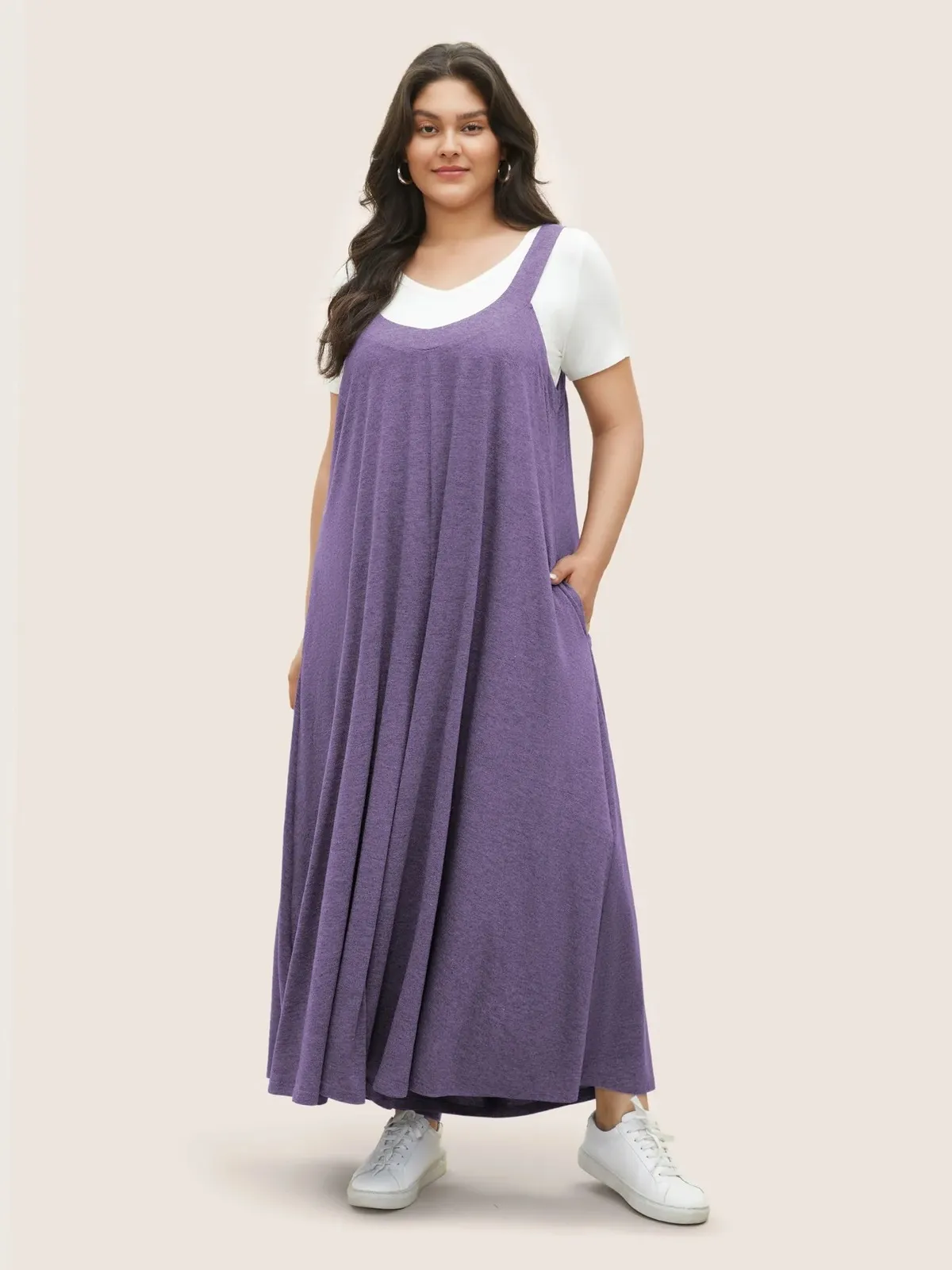
Custom Dresses: Versatility That Generates Revenue
Custom dresses represent a versatile category that can span multiple occasions and seasons. When developing a custom dress line, focus on product types that tend to perform consistently well.
Day dresses that transition from office to casual settings offer broad appeal. Cocktail dresses capture the party and event market. Maxi dresses provide comfort and style for casual occasions. Each subcategory requires different design considerations and price points.
When sourcing custom dresses, pay attention to construction details like lining, closures, and seam finishes. These details significantly impact how the dress looks on the body and how it holds up over time. Quality construction justifies higher price points and generates positive word-of-mouth.
Custom Swimwear: Technical Challenges, Premium Rewards
Custom swimwear presents unique challenges that differ from everyday clothing. The technical requirements of swimwear—including chlorine resistance, UV protection, and fit security—require specialized manufacturing expertise.
When developing custom swimwear, the design process involves more than aesthetics. You need to consider how swimwear behaves when wet, how it maintains shape after multiple wears, and how it performs in different water environments. Look for suppliers with proven swimwear production experience who can guide you through these technical considerations.
Printing and pattern options in swimwear have expanded significantly. Digital printing allows for complex, vibrant designs that were previously impossible. Custom printed swimwear represents a differentiation opportunity for brands willing to invest in unique designs.
Custom Lingerie: Intimate Knowledge, Premium Margins
The custom lingerie market demands a different approach than mainstream apparel. Sizing is more complex, and customers have higher expectations for comfort and fit. Custom lingerie production requires suppliers who understand the intimate nature of these products.
When sourcing custom lingerie, start with foundational styles like everyday bras and briefs before moving to more specialized products. Building a reputation for quality basics is easier than trying to create a niche with complex corsetry or bridal lingerie.
Packaging considerations are especially important in lingerie. The unboxing experience matters significantly in this category. Custom lingerie boxes that protect the products while creating a premium presentation can justify higher price points and generate social media shares.
Custom Sportswear: Performance Meets Lifestyle
The athletic wear market continues to expand as consumers prioritize comfort and versatility in their everyday clothing choices. Custom sportswear allows you to tap into this trend while differentiating through unique designs or specialized functionality.
Functional requirements in sportswear include moisture-wicking, compression support, and durability. Custom branded sportswear for gyms, yoga studios, and sports teams represents a B2B opportunity alongside consumer sales.
When developing custom sportswear, consider both performance and aesthetic elements. The line between athletic wear and everyday fashion has blurred significantly. Pieces that work equally well in the gym and on the street have broader market appeal.
Custom Women's Sets: Complete Outfits, Higher AOV
Coordinated sets and matching outfits simplify the shopping experience for customers while increasing your average order value. Custom women's sets—matching tops and bottoms, coordinated separates, or complete outfits—represent an efficient category for private label.
The key to successful set merchandising is ensuring versatility. Sets where individual pieces can be mixed and matched with existing wardrobe items have higher perceived value and lower return rates than outfits requiring complete adoption.
Pajama sets deserve special mention in this category. The comfort fashion trend has elevated sleepwear from purely functional to lifestyle-oriented. Custom pajama sets for women represent a growing market opportunity, particularly when they feature coordinating designs that work as loungewear.
Building a Brand Identity That Actually Stands for Something
Products alone don't create brands. Your brand identity—the story you tell, the values you represent, and the experience you deliver—determines whether customers choose you over competitors.
Defining Your Brand Positioning
Start by identifying your target customer. Create detailed customer profiles that include demographic information, shopping behaviors, style preferences, and values. Your private label product selection should align with these profiles.
Position your brand around specific attributes. Are you the affordable luxury option? The inclusive size range specialist? The sustainable fashion pioneer? Your positioning should be specific enough to differentiate you from competitors while resonating with your target audience.
Consistency across all customer touchpoints reinforces your positioning. From your website design to your packaging to your social media voice, every element should communicate the same brand personality and values.
Storytelling That Actually Sells
Modern consumers, particularly younger demographics, want to connect with brands that share their values. Your brand story should communicate why you exist, what you believe in, and how your products make customers' lives better.
Effective fashion brand storytelling often focuses on the people behind the products—the designers, the artisans, the suppliers. Transparency about your supply chain and production practices builds trust with increasingly conscious consumers.
User-generated content and customer testimonials provide social proof that reinforces your brand narrative. Encourage customers to share their purchases and feature them in your marketing when appropriate.
Sourcing Strategies and Marketing That Drive Results
Finding the right supplier is the most critical decision in your private label journey. Your supplier affects everything from product quality to delivery timelines to profit margins.
Finding Suppliers Who Don't Waste Your Time
Start your supplier search by identifying manufacturers or trading companies that specialize in the product categories you've chosen. Directories, trade shows, and industry referrals can help you build a list of potential partners.
Verify supplier credentials and capabilities before proceeding. Request samples of their existing products to assess quality standards. Ask about their experience with brands similar to yours and their capacity to scale as your business grows.
For custom plus size clothing specifically, look for suppliers with proven expertise in extended sizing. Plus size pattern making requires different skills than standard sizing, and not all manufacturers have this capability.
Managing Production Without the Nightmares
Clear communication of specifications is essential for successful production. Create detailed tech packs that include measurements, materials, construction details, and quality standards. The more specific you are, the fewer errors and misunderstandings you'll encounter.
Build quality checkpoints into your production process. Inspect samples before bulk production begins. Request pre-shipment inspections to catch any issues before products reach customers.
Establish clear lead time expectations with your suppliers. Fashion is seasonal, and late deliveries can result in lost sales and excess inventory. Factor in buffer time for potential delays, particularly when working with international suppliers.
Digital Marketing That Converts
Your online presence is your storefront. Invest in professional product photography that showcases your garments in the best possible light. Lifestyle images that show your clothes in real-world contexts help customers visualize how they'll look wearing your products.
Content marketing builds long-term brand equity. Create blog posts, videos, and social media content that provides value to your audience while showcasing your products naturally. Educational content about styling tips, fabric care, and fashion trends positions you as an expert in your space.
Email marketing remains one of the most effective channels for fashion brands. Build your email list through website opt-ins and use it to share new arrivals, exclusive offers, and personalized recommendations.
Building Customer Relationships That Generate Repeat Purchases
Customer retention is more cost-effective than customer acquisition. Invest in post-purchase communication that thanks customers for their purchases and encourages repeat buying.
Implement a loyalty program that rewards customers for their ongoing business. Points systems, exclusive access to new products, and birthday rewards all encourage repeat purchases and increase customer lifetime value.
Respond to customer inquiries and concerns promptly and professionally. In the age of social media, a single negative experience can become a public relations problem. Handle complaints with grace and use feedback to improve your products and service.
Scaling Your Private Label Business for Long-Term Success
Once you've established product-market fit and refined your operations, the focus shifts to growth. Customized socks and custom jeans represent logical extensions for fashion brands looking to expand their offerings.
Inventory Management That Prevents Disasters
Growth often strains inventory systems. Implement inventory management processes that provide real-time visibility into stock levels, reorder points, and sales velocity. This data informs purchasing decisions and helps prevent both stockouts and overstock situations.
Consider using inventory forecasting tools that analyze historical sales data to predict future demand. These tools are particularly valuable for seasonal fashion items where timing is critical.
Expanding Into New Categories
Successful brands continuously expand their product offerings to serve their customers better. Use customer feedback and sales data to identify expansion opportunities. Which categories are most requested? Which products have the highest repeat purchase rates?
When adding new categories, apply the same rigor you used for your initial product selection. New categories should align with your brand positioning and target customer preferences.
Multi-Channel Distribution That Maximizes Revenue
Don't limit yourself to a single sales channel. Explore wholesale partnerships with boutiques that share your target customer. Test marketplace selling on platforms like Amazon or Etsy. Consider pop-up shops and trunk shows for direct customer interaction.
Each channel has its own requirements and customer expectations. Adapt your messaging and fulfillment processes accordingly while maintaining consistent brand positioning across all channels.
Your Brand, Your Future
Building a successful fashion brand through private label services requires more than finding a supplier and uploading products. It demands a clear vision, meticulous execution, and unwavering commitment to your customers.
The opportunities in private label fashion are significant for entrepreneurs willing to invest the time and effort required to do it right. By choosing the right product categories, building a compelling brand identity, sourcing strategically, and marketing effectively, you can create a fashion brand that stands for something meaningful in a crowded marketplace.
Start by defining your brand positioning and identifying your target customer. Select product categories that align with your brand and address real market needs. Partner with suppliers who share your commitment to quality. Build your brand story and let it guide every decision you make.
The fashion industry rewards those who bring genuine value to customers. Focus on solving problems, exceeding expectations, and building genuine relationships. Success will follow.
Begin your private label journey today. Your brand—and your future—is waiting to be built.


Comments
Post a Comment