Where Can You Buy Cheap, Good Wholesale Lingerie?
The global lingerie market is brutally competitive. Margins are thin, trends shift fast, and customers demand more—better fabrics, inclusive sizing, smarter designs, and lower prices. If you are a retailer, online seller, brand owner, or marketplace operator, one truth is unavoidable: your supply chain determines your survival.
Buying cheap, good Wholesale Lingerie is not about luck. It is about knowing where to look, how to evaluate suppliers, and how to balance cost, quality, and scalability. Those who fail to master this lose money fast. Those who get it right dominate their niche.
Below is a direct, no-nonsense breakdown of where and how to source lingerie through wholesale services, customization, and full-scale manufacturing—without wasting time or budget.
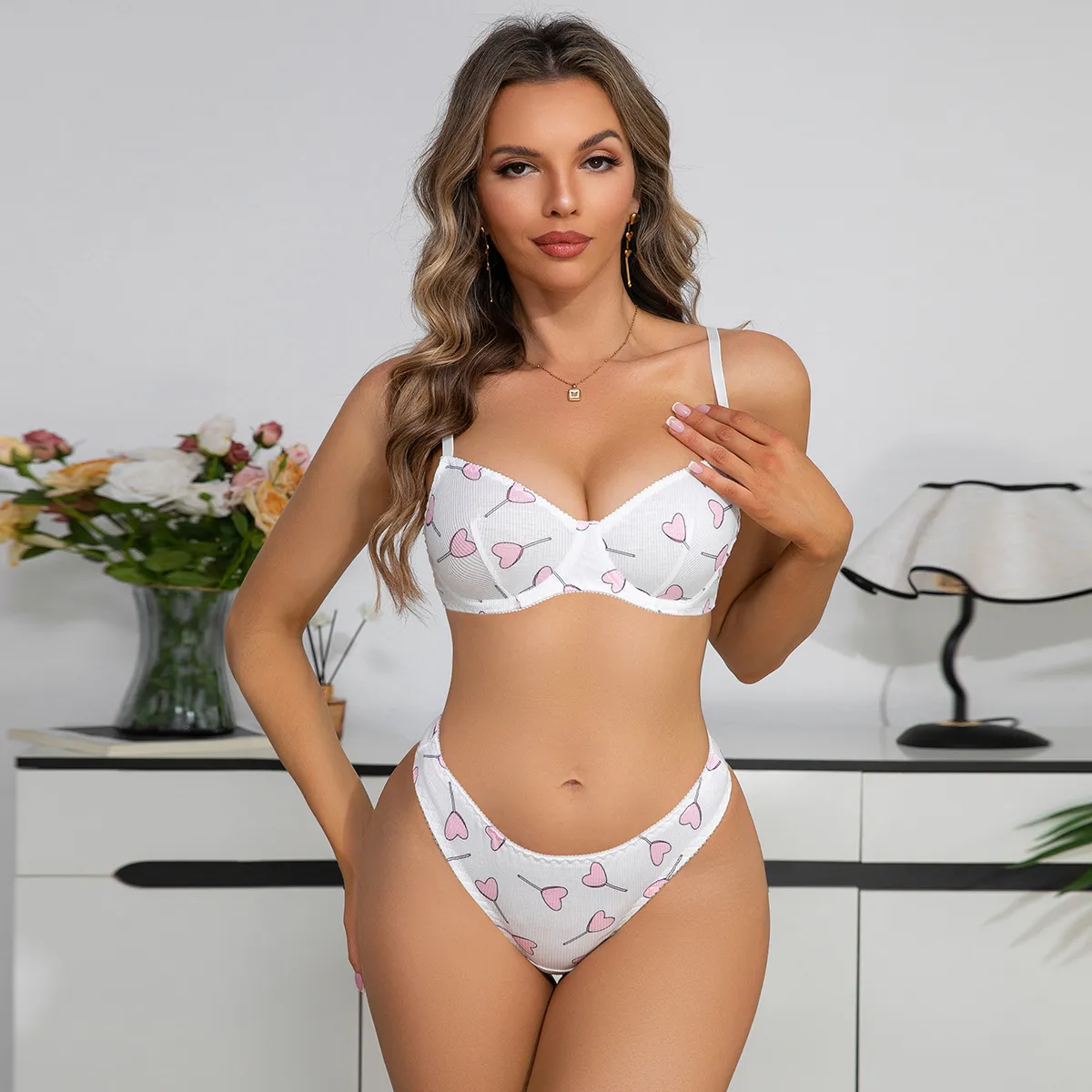
Wholesale Services That Actually Make Money
Wholesale is the backbone of lingerie retail. It is designed for speed, volume, and margin control. The best Lingerie Wholesale suppliers focus on providing ready-to-sell inventory with pricing structures that reward scale.
At its core, wholesale exists to serve boutique owners, online stores, dropshippers, Amazon sellers, and chain retailers who need consistent stock and predictable costs. The stronger the wholesale partner, the easier it becomes to scale without operational chaos.
The most obvious advantage of wholesale is price leverage. Bulk purchasing creates instant savings. Reputable suppliers operate tiered pricing systems, meaning the more you buy, the lower the unit cost becomes. This is how successful sellers protect profit even during discount seasons.
Another critical feature of professional wholesale suppliers is flexible assortment packaging. Many allow mixed styles, mixed colors, and mixed sizes within one order. This matters because lingerie customers do not shop in uniform proportions. Size diversity and style variety are not optional; they are mandatory.
A serious Wholesale Lingerie catalog covers far more than basic bras and panties. It includes fashion-forward designs, seasonal collections, and functional categories. Reliable suppliers understand that different markets demand different solutions.
This is where categories like Wholesale Bras come into play. From everyday T-shirt bras to balconette, push-up, strapless, and wireless options, wholesale bra collections must balance comfort, durability, and aesthetics. Cheap bras that deform after two washes are a guaranteed refund nightmare.
Athleisure demand has also pushed Wholesale Sports Bras into the mainstream. These are no longer niche products. Customers expect moisture control, compression support, and fashionable silhouettes. Suppliers that ignore this segment are already behind.
Underwear is the volume engine. Wholesale Underwear and Wholesale Panties typically move faster than any other lingerie category. Buyers look for breathable fabrics, clean stitching, and fit consistency across sizes. High turnover means small defects become big losses, so supplier quality control matters more than low headline pricing.
Another fast-growing segment is Wholesale Shapewear. Compression leggings, waist trainers, bodysuits, and smoothing shorts now dominate social media and influencer marketing. Working with experienced Shapewear Wholesale Vendors is essential because shapewear failures—tearing seams, uneven compression, poor elasticity—destroy brand credibility instantly.
Inclusivity is no longer optional. Suppliers offering Plus Size Lingerie Wholesale gain an immediate advantage. Extended sizing is not just about scaling measurements up; it requires redesigned patterns, reinforced support, and thoughtful material selection. The best wholesale partners understand this and produce plus-size lines intentionally, not as an afterthought.
Speed is another deciding factor. Many wholesale suppliers operate with ready stock and rapid dispatch, shipping within days rather than weeks. Others offer structured replenishment programs that sync with your sales velocity, reducing inventory risk.
MOQ rules still apply. Minimum order quantities vary by fabric, style, and complexity. Entry-level wholesale orders may start at dozens of sets, while more complex or premium lines can require hundreds or thousands. The smartest buyers choose suppliers whose MOQs match their growth stage.
Customization That Builds Real Brands
Wholesale moves product. Customization builds brands.
If you want differentiation instead of price wars, Custom Lingerie services are where strategy becomes identity. Customization allows you to control how your lingerie looks, feels, fits, and communicates value.
True customization begins with design freedom. Leading factories allow clients to customize silhouettes, materials, colors, lace patterns, trims, and finishing details. Whether you work from technical drawings, mood boards, or physical samples, customization transforms ideas into tangible products.
Branding is non-negotiable. OEM and ODM services let you apply private labels, woven tags, printed care labels, branded packaging, and custom hangtags. This is how anonymous inventory becomes a recognizable product line.
Custom Bras are especially sensitive. Small design errors affect fit, support, and comfort. Reliable manufacturers collaborate closely during sampling to adjust cup depth, strap width, band elasticity, and underwire placement. This process takes time—but skipping it costs more in returns and reputational damage.
Customization also allows size-specific refinement. Brands targeting niche markets—petite, plus size, post-surgery, maternity, or high-impact sports—benefit from tailored grading and construction. Generic sizing rarely satisfies specialized audiences.
In the underwear category, Custom Panties offer massive creative freedom. High-waist, seamless, cheeky, thong, boyshort, and control styles can all be adapted to match brand positioning. Fabric choice alone can separate luxury from disposable.
The trade-off is time. Custom projects require longer lead times. From design confirmation to sampling, revisions, and mass production, timelines typically range from 15 to 45 days, sometimes longer for complex builds. Smart brands plan launches around production reality, not wishful thinking.
MOQs are higher than off-the-shelf wholesale, but the payoff is exclusivity. Custom products cannot be directly price-compared on marketplaces, protecting margins and reinforcing brand value.
Manufacturing Power Behind Competitive Pricing
At the top of the supply chain sits manufacturing. This is where control, scale, and cost optimization converge. Full-service manufacturers handle everything from raw material sourcing to final packaging.
Serious lingerie factories operate advanced equipment: precision cutting machines, industrial sewing lines, lace knitting systems, bonding and heat-press technology, and automated quality inspection tools. These are not small workshops; they are production ecosystems.
Material selection defines product performance. Manufacturers source cotton, silk, modal, microfiber, nylon, spandex, lace, and blended fabrics depending on target use. Elastic recovery, breathability, skin feel, and environmental compliance are all adjustable parameters.
Factories offering both in-house sourcing and supplier-based procurement give clients flexibility. You can prioritize cost, sustainability, or tactile luxury depending on market positioning.
Quality control is where good factories separate themselves from risky ones. Robust inspection protocols include fabric testing, mid-production checks, final measurements, visual inspection, and packaging audits. Skipping any step increases defect rates and customer complaints.
Manufacturing scale can be adjusted. Small-batch runs support emerging designers and experimental collections. Large-scale production supports e-commerce giants and wholesale distributors feeding multiple sales channels.
The most competitive Wholesale Lingerie pricing often comes from factories that combine manufacturing with wholesale distribution. This eliminates middlemen and compresses cost structures.
Strategically, this is where businesses unlock long-term advantage. Working directly with manufacturers gives access to product development insights, cost engineering, and priority capacity during peak seasons.
How to Choose the Right Supplier Without Regret
Finding cheap, good lingerie suppliers is easy. Finding the right ones is not.
Start by defining your business model. Are you reselling fast-moving inventory, building a private label, or launching a full brand? Each path requires a different supplier profile.
Evaluate catalogs critically. A strong Lingerie Wholesale partner offers depth across Wholesale Bras, Wholesale Sports Bras, Wholesale Underwear, Wholesale Panties, and Wholesale Shapewear, not just surface variety.
Request samples. Touch fabric. Stretch elastic. Inspect seams. Wash and wear test. Paper specifications mean nothing without physical validation.
Ask direct questions about Shapewear Wholesale Vendors experience, plus-size grading capability, and compliance standards. Evasion is a red flag.
Understand MOQ logic. Low MOQs are attractive but often signal limited production stability. Match MOQ levels to your sales forecast, not your optimism.
Clarify timelines, restocking ability, and after-sales policies. Speed matters, but reliability matters more.
Finally, think long term. Suppliers are not just vendors; they are partners. The right partner helps you grow from wholesale reselling into customization and eventually manufacturing leverage.
Buying cheap, good Wholesale Lingerie is not about chasing the lowest price. It is about building a supply chain that supports profit, brand identity, and scale. Those who approach sourcing strategically win. Those who cut corners disappear.
In this market, clarity beats hesitation—and the right supplier changes everything.


Comments
Post a Comment